

The cultural significance of gambling in modern society
The Historical Context of Gambling
Gambling has been a part of human culture for centuries, dating back to ancient civilizations such as the Greeks and Romans. These early societies embraced various forms of betting, from dice games to chariot races, reflecting an innate desire for risk and reward. As societies evolved, so did gambling, transitioning from simple, local games to elaborate betting systems that span the globe. This historical backdrop illustrates how deeply entrenched gambling is in human society, shaping social norms and behaviors over generations. Today, innovative online platforms like mafiacasino-nz.nz provide new avenues for this age-old activity.
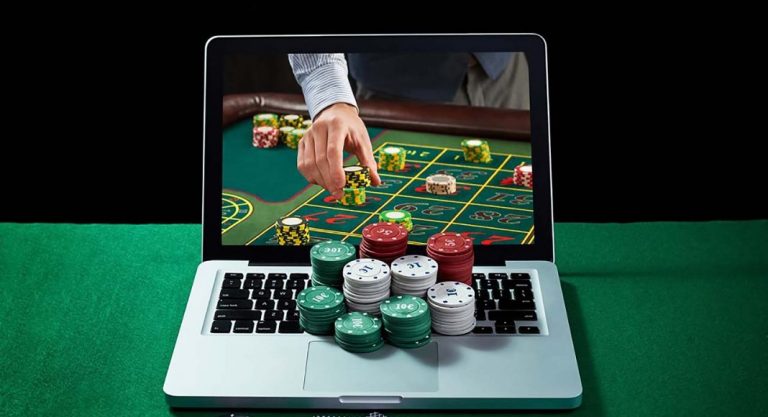
In many cultures, gambling was not just a pastime but a ritual that bonded communities. It served as a form of entertainment, an opportunity for social interaction, and a means of celebrating significant events. For example, festivals often included games of chance, highlighting the cultural importance of gambling as a communal experience. This foundational role continues to influence modern gambling practices, where social interactions remain a core aspect of the experience, whether in physical casinos or online platforms.
With the rise of technology, gambling has further transformed, evolving into a multi-faceted industry that combines traditional elements with modern innovations. Online platforms now offer a vast array of games and betting options, making gambling more accessible than ever. This shift signifies a cultural evolution, where gambling adapts to societal changes while maintaining its historical significance as a source of excitement and connection among individuals.
The Role of Gambling in Modern Entertainment
Today, gambling is a major form of entertainment, seamlessly integrated into the fabric of popular culture. Movies, television shows, and literature often depict gambling scenarios, highlighting its allure and excitement. This portrayal influences societal perceptions, glamorizing the thrill of winning and the risk of losing. Through media, gambling is not just a game; it becomes a narrative device that explores themes of chance, fate, and human behavior.
The accessibility of online gambling platforms has further popularized the activity, allowing individuals to engage in betting from the comfort of their homes. This convenience appeals to a broader audience, including those who may have never considered visiting a physical casino. The rise of live dealer games and interactive features enhances this experience, making it feel more immersive and social, even in a virtual space. This shift towards online gambling reflects broader entertainment trends, catering to the evolving preferences of modern audiences.
Moreover, gambling events such as poker tournaments and sports betting have gained significant mainstream attention, attracting millions of viewers worldwide. Major sporting events are often paired with betting activities, blurring the lines between sports and gambling. This fusion creates a unique cultural phenomenon where spectators not only watch their favorite teams but also engage in the thrill of wagering, enhancing the overall experience and excitement of the event.
The Psychological Aspects of Gambling
Gambling taps into deep psychological impulses, from the thrill of risk to the allure of potential rewards. Many individuals find excitement in the uncertainty of gambling, which can lead to intense emotional experiences. The “near miss” phenomenon, where players almost win, can trigger feelings of hope and motivation, driving them to continue playing. This psychological engagement can create a compelling cycle, where the excitement of potential success outweighs the risks involved.
However, the psychological aspects of gambling also bring significant challenges. The fine line between recreational gambling and addiction can be blurred, leading some individuals to engage in harmful behaviors. The thrill that gambling provides can evolve into a compulsion, impacting personal relationships, finances, and mental health. Understanding this psychological dynamic is essential for promoting responsible gambling practices and fostering a healthier relationship with betting.
Social attitudes towards gambling have also shifted, with increasing recognition of the need for support systems and resources for individuals struggling with gambling-related issues. Many organizations now advocate for responsible gambling, aiming to educate the public about the risks and promote healthier practices. This growing awareness highlights the importance of balancing the thrill of gambling with the need for responsibility, showcasing the dual nature of gambling in modern society.
Cultural Myths and Realities of Gambling
Despite its widespread popularity, gambling is often surrounded by myths and misconceptions that shape public perception. One prevalent myth is that gambling is solely a game of luck, disregarding the strategic elements involved in many betting activities. While chance plays a significant role, many games require skill, knowledge, and strategy, challenging the notion that gambling is purely random. Understanding these dynamics can enrich the gambling experience, helping players make informed decisions.
Another common misconception is the belief that gambling is an easy way to make money. While some individuals may experience short-term wins, the long-term reality is often different. The odds are typically designed to favor the house, meaning that consistent winnings are unlikely. This myth can lead to unrealistic expectations, encouraging individuals to gamble more than they can afford. Addressing these misconceptions is vital for promoting responsible gambling practices and fostering a healthier understanding of the activity.
Furthermore, cultural attitudes towards gambling vary significantly around the world. In some societies, gambling is embraced and celebrated, while in others, it is stigmatized or even illegal. This dichotomy influences how gambling is perceived and practiced, demonstrating the need for cultural sensitivity and awareness in discussions about gambling. By debunking myths and fostering open conversations, societies can work towards a more nuanced understanding of gambling’s role in modern culture.

Mafia Casino: A New Era of Online Gambling
Mafia Casino represents a significant innovation in the online gambling landscape. Launched in 2025, it offers an extensive array of casino games and sports betting options, catering to a diverse audience of players. The platform’s user-friendly interface makes it accessible for both new and experienced gamblers, emphasizing the importance of an engaging and intuitive gaming experience. Additionally, with a generous welcome bonus and regular promotions, Mafia Casino aims to attract players looking for a rewarding experience.
One of the standout features of Mafia Casino is its commitment to providing a secure and responsible gambling environment. With 24/7 customer support and multiple payment methods, players can feel confident that their needs are prioritized. This focus on customer experience reflects the evolving expectations of modern gamblers, who value not only entertainment but also safety and reliability in their gaming choices. Mafia Casino also showcases a wide selection of games from leading studios, ensuring that players have access to high-quality content.
As the online gambling industry continues to grow, platforms like Mafia Casino are well-positioned to lead the charge. By combining traditional elements of gaming with modern technology, they create an engaging and dynamic environment that resonates with contemporary players. This evolution signifies not just a shift in how gambling is experienced, but also its ongoing cultural significance in society, as it adapts to meet the needs and preferences of a diverse audience.